
The Visual Workplace
What it’s all about and how you benefit.
In a visual workplace, the goal is to provide essential information in a visual, non-verbal format that is easily understood at a glance and is located at the point of need for anyone and everyone who needs it, all without asking a single question. A well-designed visual workplace improves clarity, reduces waste, and creates a safer, more productive, and more engaged workforce.
Reduces Errors and Mistakes: Visual signals—such as labels, signs, color coding, and floor markings—help employees quickly understand what needs to be done, where, and how. This minimizes confusion, reduces mistakes, and supports consistent quality.
Improves Productivity: When workers don’t have to search for tools, materials, or information, they can focus on value-added tasks. Visual cues streamline workflow by making everything easy to find and understand at a glance.
Enhances Safety: Safety instructions, hazard warnings, and emergency routes that are clearly marked reduce accidents. A visual workplace makes it easier to follow safety protocols without second-guessing or delays.
10%-30 %
PRODUCTIVITY IMPROVEMENT
Clear visuals reduce wasted time searching for tools, materials, or instructions
15%-25%
EMPLOYEE ENGAGEMENT INCREASE
Visual workplaces promote ownership, morale, and job satisfaction
30%-60 %
WORKPLACE SAFETY IMPROVEMENT
Hazard markings and safety signs lower accident rates and near misses
Supports Lean and 5S Programs: The visual workplace aligns with Lean principles by eliminating waste caused by waiting, searching, or rework. It complements 5S (Sort, Set in order, Shine, Standardize, Sustain) by helping maintain organization and discipline on the floor.
Faster Training and Onboarding: New employees learn faster in environments where procedures and standards are visually reinforced. This shortens training time and allows new hires to become productive more quickly.
Encourages Accountability and Ownership: Visual controls help clarify roles and responsibilities. When expectations are visible, team members take greater ownership of their work area and performance.
Drives Continuous Improvement: A visual workplace makes problems visible. Whether it’s identifying bottlenecks, inventory issues, or process breakdowns, it enables quicker problem-solving and fosters a culture of continuous improvement.
Visual labeling and bin marking improve stock control and reduce costly discrepancies.
Cobra Systems can help bring your visual workplace to life
Our VnM4Pro and VnM8 SignMaker printers together with a wide range of media in an array of colors, sizes and types, can help your business in its journey to becoming more efficient and productive. Our printers and media are designed for durability and performance, making them the perfect tool for creating signs, labels, and tags that will help you implement and sustain your visual management system. We’ll be happy to help you find the right printer for your needs and show you how our products can help support your visual management system.
Kanban and visual flow reduce overstock and improve material handling
Clear visuals reduce wasted time searching for tools, materials, or instructions
Visual controls prevent mistakes by making procedures and standards obvious
Increased Employee Engagement
Clear visuals reduce wasted time searching for tools, materials, or instructions
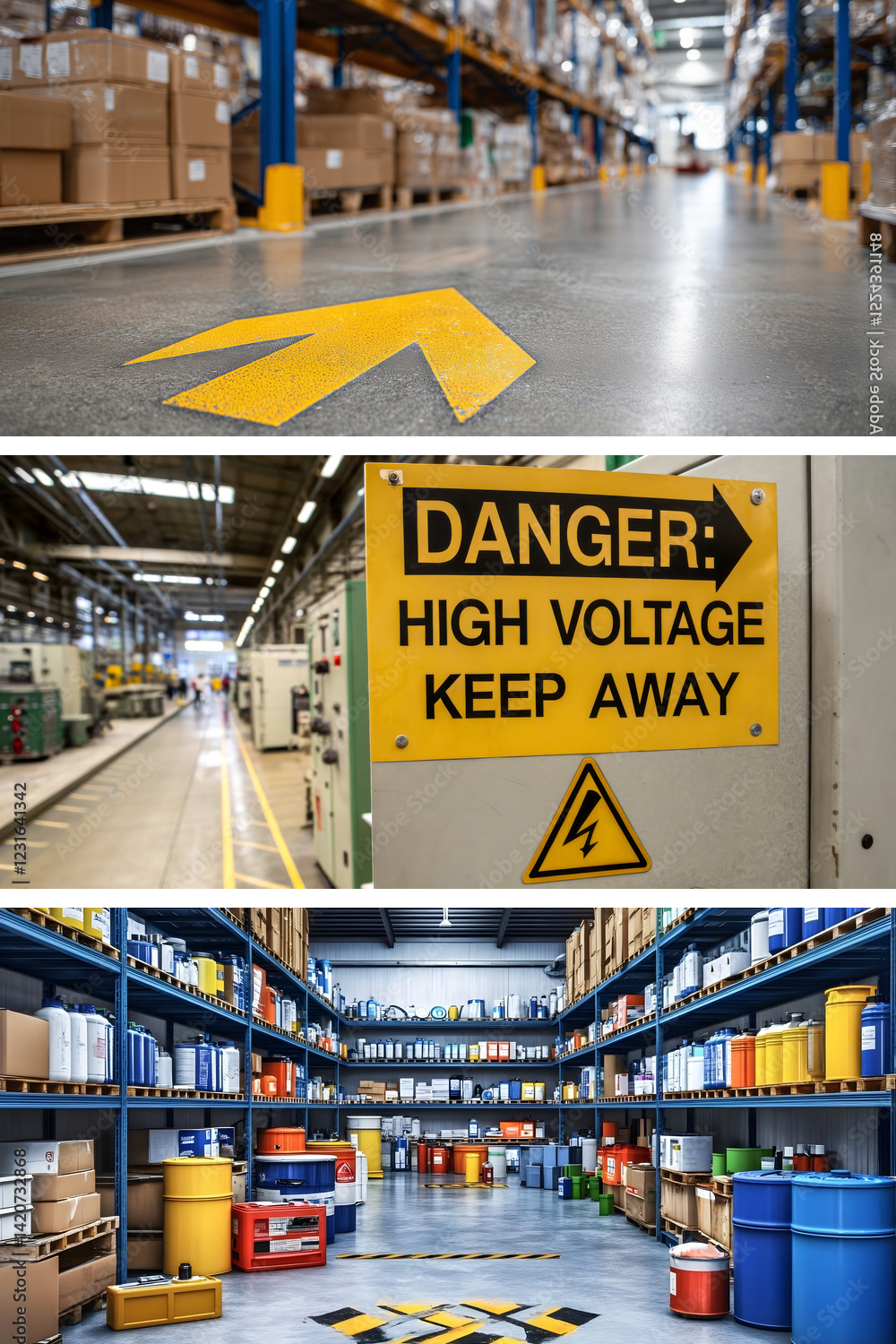
Implementing Your Visual Workplace
Many tools and techniques are used to create an excellent visual workplace, helping to make information clear, reduce waste, and improve efficiency. Each of these tools plays a role in making processes more transparent, reducing waste, improving safety, and driving efficiency. The key to success is to keep things simple, highly visible, and standardized across the workplace.
Here’s a practical list of common tools you can use:
Clearly mark tools, equipment, storage areas, and workstations.
Use durable, easy-to-read labels with color coding to communicate instructions and information instantly.
This creates a more intuitive and streamlined environment that promotes operational flow.
Assign colors to materials, zones, or processes (e.g., red for danger, green for go, yellow for caution).
Floor tape or paint helps designate walkways, work zones, and restricted areas.
Tools have dedicated spaces outlined with shadows or shapes so employees know where items belong and can quickly see if something is missing.
Floor tape, symbols, and painted lines indicate pathways, safety zones, forklift routes, and hazard areas.
Visual alert systems, often with lights or digital displays, that indicate production status, equipment breakdowns, or quality problems in real time.
Use pictures, diagrams, and step-by-step visual guides at workstations to show the correct way to perform tasks, reducing dependency on memory or lengthy manuals.
Whiteboards, digital displays, or boards with KPIs (Key Performance Indicators), goals, and daily updates that keep everyone aligned on performance and priorities.
Visual cards or signals that manage inventory and workflow, helping teams know when to produce, order, or restock materials.
Bright, standardized safety signs and posters to communicate hazards, personal protective equipment (PPE) requirements, and emergency procedures.
Physical or visual mechanisms that prevent errors, like jigs, guides, or indicators that alert workers before a mistake happens.
Real-time screens showing production metrics, downtime, or important alerts to keep teams informed.

How Can We Help You ?
Please complete and submit the form.
Hours: Monday-Friday 7:30am-4:30pm
For Faster Service, call us at 800.262.7298